2026-08-31 · John Smith
Termite Risks Inspectors Flag in Valdosta Homes
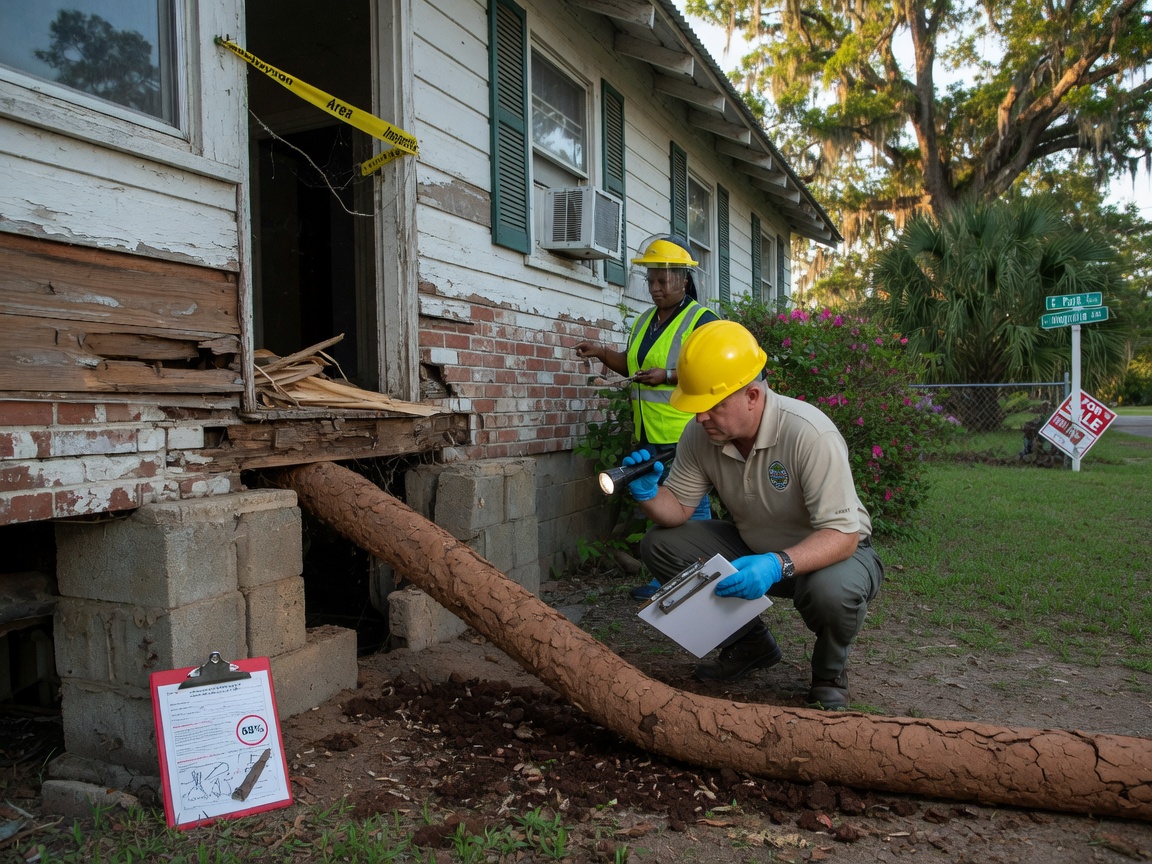
Inspectors in Lowndes County flag termite risks most often in homes built before 1980 that sit on crawl spaces or have wood-to-soil contact, especially after heavy summer rains increase soil moisture around foundations in Downtown Valdosta and Five Points.
Common Termite Species Found in Valdosta
Eastern subterranean termites dominate Lowndes County because the humid subtropical climate with hot summers and mild winters keeps soil temperatures above 50 degrees for most of the year. These colonies forage up to 300 feet from the nest and exploit any wood touching the ground or moisture-damaged framing. Formosan termites appear less often but create larger colonies and faster damage when they reach structures near Barber Park or Azalea Park. Drywood termites show up in older attics and window frames in Park Avenue homes where humidity stays trapped. A termite inspection reveals which species is active by examining mud tubes, frass patterns, and damaged wood.
Housing Stock and Entry Points in Local Neighborhoods
Many homes in Five Points and Northside date from the 1950s to 1970s and feature pier-and-beam foundations that allow easy access for termites traveling from the soil. Southside properties often have additions or decks built with untreated lumber that touches grade, creating direct pathways. In Downtown Valdosta, historic structures frequently have plumbing leaks under bathrooms that keep sill plates damp year-round. Inspectors check these points first because mild winters never force colonies into dormancy. Properties near Valdosta State University show repeated issues where irrigation systems keep foundation soil constantly moist.
How the Climate Affects Termite Activity
Hot, humid summers drive peak foraging from April through October, while mild winters allow continued low-level activity even in January and February. Heavy rainfall in Lowndes County saturates the ground and pushes colonies toward drier areas inside crawl spaces or wall voids. Homes near Freedom Park or Crescent experience higher pressure when nearby trees and leaf litter provide cellulose food sources close to foundations. This climate pattern means inspectors look for active mud tubes on exterior brick and piers rather than waiting for visible damage inside finished spaces.
Overlaps with Moisture Problems
Termite activity and moisture intrusion often occur together in Valdosta homes because both thrive in the same humid conditions. Leaky roofs or poor grading around Southside properties create the damp wood termites need. Inspectors routinely pair termite checks with moisture readings in crawl spaces to catch both issues before they compound. Readers can learn more in the related article on moisture and mold checks during Valdosta home inspections.
What a Thorough Check Covers
A complete evaluation examines the entire perimeter, all piers, sill plates, and any wood within 6 inches of soil. Inspectors also probe decks, porches, and fence posts attached to the house. In neighborhoods like Park Avenue, they pay extra attention to tree roots growing under slabs. The process takes 45 to 90 minutes on a typical Lowndes County home and produces a written report listing active signs, conducive conditions, and recommended next steps. Home buyers in nearby Tifton or Moultrie often request the same service when properties share similar soil and climate traits.